
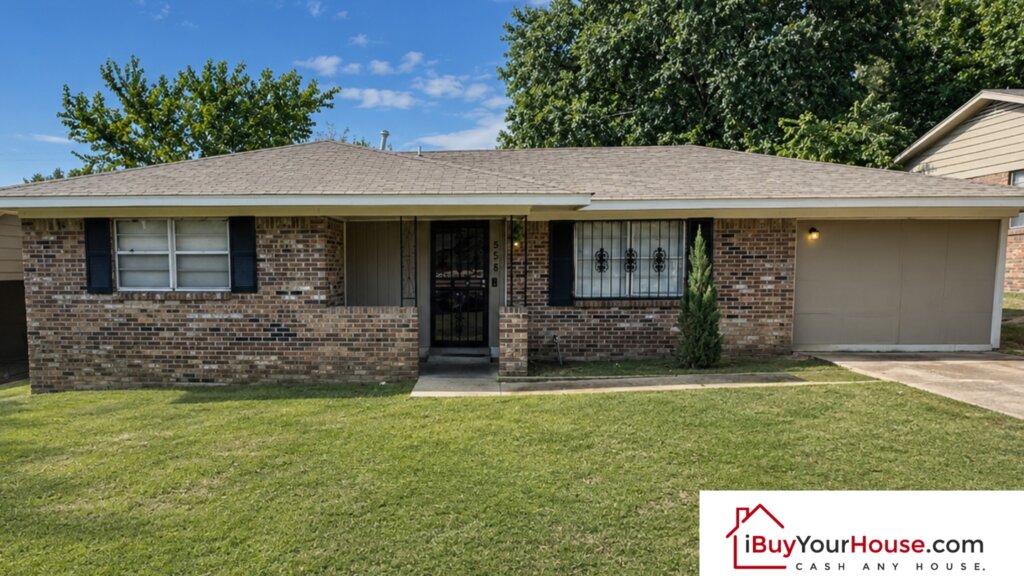
A condemned house can feel like one of the hardest properties to sell. Once a home has been marked unsafe, unfit, or connected to serious code issues, many homeowners assume there is no way forward unless they repair everything first.
If you are searching for Can You Sell a Condemned House in Memphis?, you may already be dealing with city notices, code violations, safety concerns, repair estimates, unpaid taxes, liens, or a property you no longer want to manage.
A condemned house Memphis homeowners deal with may have major structural problems, fire damage, water damage, roof failure, broken windows, unsafe electrical systems, plumbing issues, foundation concerns, or years of deferred maintenance. In some cases, the property may be vacant, inherited, tenant-damaged, or abandoned.
The good news is that condemnation does not always mean the house cannot be sold.
In many situations, a condemned house may still be sold as-is. This means a buyer reviews the property in its current condition and makes an offer based on the damage, repairs, code issues, location, title status, taxes, liens, and market factors.
This guide explains what it means when a house is condemned, why traditional sales are difficult, what issues may affect closing, and how iBuyYourHouse.com helps Memphis homeowners explore a direct as-is sale without repairs, cleaning, or long listing delays.
This article is for general information only. It is not legal advice. If your property has active code notices, court dates, fines, liens, demolition orders, or safety issues, speak with the proper city office, a title company, or a qualified attorney before making final decisions.
Direct Answer: Can I Sell a Condemned House in Memphis?
Yes, you may be able to sell a condemned house in Memphis. A condemned property can often be sold as-is if the buyer understands the condition, the title can be transferred, and any code violations, liens, taxes, court matters, or city-related issues are properly reviewed before closing.
You may not need to repair the house before requesting an offer. However, the condemned status can affect the sale price, buyer pool, access, closing timeline, and title review.
A direct cash buyer may still review a condemned house, especially if the property needs major repairs, has open code violations, is vacant, or is difficult to list traditionally. The exact process depends on the property condition, ownership, title, taxes, liens, city notices, and closing availability.
What Does It Mean When a House Is Condemned?
A condemned house is generally a property that a local authority has determined is unsafe, unfit, or not suitable for occupancy in its current condition. The exact reason depends on the property and the notice issued.
A house may be condemned or treated as unsafe because of:
| Issue | Why It Matters |
|---|---|
| Structural damage | The home may not be safe to occupy |
| Fire damage | Burned framing, smoke damage, or electrical concerns may exist |
| Water damage | Moisture, mold, or structural deterioration may be present |
| Roof failure | Leaks and collapse risks can create serious concerns |
| Foundation problems | Movement or instability may affect safety |
| Electrical hazards | Unsafe wiring can create fire or shock risks |
| Plumbing failures | Sewer, water, or sanitation problems may affect habitability |
| Severe neglect | Long-term deferred maintenance can create health and safety concerns |
| Vacant property damage | Break-ins, vandalism, or exposure can make the home worse |
| Code violations | Open violations may create city deadlines, fines, or court issues |
The City of Memphis Code Enforcement department says its purpose is to help protect public health, safety, and welfare in existing residential buildings. The city also lists common citizen complaints such as abandoned houses, structural defects in dwellings, inoperable vehicles, appliances, and junk stored on a property.
Why Condemned Houses Are Hard to Sell Traditionally
Most traditional buyers want a home that is safe, financeable, and move-in ready. A condemned house usually does not fit that profile.
Traditional buyers may worry about:
- Whether the property is safe to enter
- How much repairs will cost
- Whether permits are needed
- Whether the home can legally be occupied
- Whether the lender will approve financing
- Whether inspections will uncover more issues
- Whether open code violations must be cleared
- Whether liens or fines are attached to the property
- Whether demolition may be required
- Whether the property can be insured
Even if a traditional buyer is interested, the sale may still run into delays. The buyer may request inspections, contractor estimates, repair credits, price reductions, or proof that city issues have been addressed.
If the buyer is using financing, the lender may not approve the loan if the home is unsafe or not habitable. That can cause the sale to fall apart before closing.
Condemned House vs. Code Violation Property
A code violation property is not always condemned. Some code violations are minor, such as overgrown grass, junk in the yard, or broken windows. Other violations are more serious and may involve unsafe structures, fire hazards, plumbing problems, electrical risks, or severe neglect.
A condemned house is usually more serious because the property may be considered unsafe or unfit for occupancy.
Here is a simple way to compare the two:
| Property Status | What It May Mean |
| Code violation property | The home has one or more issues that violate local rules or property standards |
| Unsafe structure | The property may have serious health, safety, or structural concerns |
| Condemned house | The property may be declared unfit or unsafe for occupancy until issues are resolved |
| Court-involved property | The property may have active Environmental Court or legal proceedings |
| Lien-affected property | Fines, taxes, or city costs may affect title or closing |
Shelby County Environmental Court hears cases related to quality-of-life issues in Memphis and Shelby County, including cases that arise from local ordinances and Tennessee statutes. The court also notes that it hears matters involving health, fire, building, zoning, and related code concerns.
Can You Sell a Condemned House As-Is?
Yes, in many cases, a condemned house may be sold as-is.
Selling as-is means the buyer reviews the property in its current condition. You do not have to make the house safe, livable, updated, cleaned out, staged, or fully repaired before requesting an offer.
This may help if the house has:
- Structural damage
- Fire damage
- Water damage
- Mold concerns
- Roof collapse or roof leaks
- Foundation problems
- Unsafe electrical systems
- Plumbing failures
- Broken windows or doors
- Severe vandalism
- Tenant damage
- Heavy clutter or debris
- Open code violations
- Unpaid taxes
- Vacant property issues
- Possible demolition concerns
The condition of the house still matters. A condemned house will usually be valued differently from a repaired home because the buyer must consider repair costs, risk, title issues, and possible city requirements.
But selling as-is may help you avoid paying for repairs upfront.
Do You Need to Fix the House Before Selling?
Not always.
Some homeowners choose to repair a condemned house before selling. This may make sense if the damage is limited, the repairs are affordable, and the owner has time to work with contractors and city offices.
But for many homeowners, repairing a condemned house is not realistic.
Before spending money on repairs, ask yourself:
| Question | Why It Matters |
| Can I afford the repairs upfront? | Major repairs can become expensive quickly |
| Do I understand every city requirement? | Some properties may need permits, inspections, or compliance steps |
| Will repairs increase the sale price enough? | Not every repair pays for itself |
| Can I manage contractors? | Repairs may require time, access, and supervision |
| Is the property safe to enter? | Safety concerns can limit access |
| Are there fines, liens, or court dates? | These may affect the sale even after repairs |
| Do I want to keep putting money into the house? | Selling as-is may be simpler |
A condemned house often needs more than cosmetic updates. It may require structural work, roof repair, electrical repair, plumbing repair, cleanup, permits, inspections, and city follow-up.
That is why many owners choose to sell instead of trying to fix everything.
What Problems Can Affect Closing?
Selling a condemned house can be possible, but several issues may need to be reviewed before closing.
Common closing issues include:
| Issue | How It Can Affect the Sale |
| Title problems | Ownership must be clear enough to transfer |
| Unpaid taxes | Tax balances may need to be paid at closing |
| City liens | Certain costs or fines may affect title |
| Code violations | Open violations may need review before transfer |
| Court cases | Active cases may affect timing or closing requirements |
| Mortgage payoff | The lender must be paid or otherwise resolved |
| Probate issues | Inherited properties may need legal authority confirmed |
| Multiple owners | All required parties may need to sign |
| Demolition orders | These can affect buyer interest and timeline |
| Safety access | The property may need limited or careful access |
These issues do not automatically prevent a sale. They simply need to be handled carefully.
A title company can help identify taxes, liens, ownership issues, and payoff requirements before closing.
Why Cash Home Buyers Memphis May Be More Flexible
Cash home buyers Memphis sellers work with are often more comfortable reviewing damaged or distressed properties than traditional retail buyers.
This can include homes with:
- Condemned status
- Code violations
- Fire damage
- Water damage
- Foundation problems
- Structural concerns
- Vacant property damage
- Heavy repairs
- Old belongings inside
- Unpaid taxes or liens
- Failed prior listings
A cash sale may move faster because the buyer does not rely on traditional mortgage financing. This can matter when the property condition may not meet lender requirements.
A cash sale does not mean every closing is instant. Title work, taxes, liens, payoff information, ownership details, code-related issues, and closing availability still matter.
But without traditional buyer financing, there are usually fewer moving parts.
We Buy Houses Memphis: How Direct Buyers Help
Companies that say we buy houses Memphis often work with properties that are difficult to sell traditionally. This can include condemned houses, code violation properties, abandoned homes, inherited houses, fire-damaged homes, water-damaged homes, and homes with major repairs.
The process is usually more direct than listing on the open market.
| Step | What Happens |
| 1. Share the property details | Provide the address, condition, notices, and timeline |
| 2. Property review | The buyer reviews repairs, code issues, location, and title concerns |
| 3. Receive an offer | You get a cash offer based on the property as-is |
| 4. Compare your options | You decide whether the offer makes sense |
| 5. Coordinate closing | Closing depends on title, taxes, liens, payoff, and scheduling |
You do not need to repair or renovate the condemned house before requesting an offer.
Traditional Listing vs. Direct As-Is Sale
Both options can work, but they fit different situations.
| Question | Traditional Listing | Direct As-Is Sale |
| Do I need repairs first? | Often yes | Usually no before requesting an offer |
| Do I need to clean out the home? | Usually yes | Not always |
| Can buyer financing create delays? | Yes | No traditional buyer mortgage approval |
| Will inspections create issues? | Often | Property condition is reviewed upfront |
| Can a condemned status scare buyers? | Yes | Direct buyers may be more familiar with distress properties |
| Is it best for move-in-ready homes? | Usually yes | Not required |
| Can it work for major damage? | Sometimes difficult | Often more practical |
| Is it always the highest sale price? | May be higher after repairs | Offer reflects condition and risk |
A traditional listing may make sense if the home can be repaired and made market-ready.
A direct as-is sale may make more sense if the property is condemned, unsafe, vacant, full of repairs, or too expensive to fix.
Can You Sell If There Are Open Code Violations?
Yes, in many cases, a house with open code violations may still be sold.
However, the violations should be reviewed before closing. The buyer should understand what is open, and the title company may need to check whether any fines, liens, or city-related charges affect the property.
Open code issues may include:
- Unsafe structure notices
- Overgrown yard violations
- Trash or debris violations
- Broken window concerns
- Roof or exterior damage
- Fire damage
- Plumbing or electrical hazards
- Court notices
- Compliance deadlines
- Possible demolition-related notices
You may not need to clear every violation before requesting an offer, but you should not ignore notices, court dates, or deadlines.
What If the House Is Unsafe to Enter?
If the property is condemned or unsafe, do not take unnecessary risks.
Avoid entering a house that may have:
- Structural instability
- Fire damage
- Electrical hazards
- Mold or air quality concerns
- Collapsing floors
- Roof damage
- Exposed wiring
- Standing water
- Unsafe stairs
- Pest or animal issues
- Broken glass or debris
A direct buyer may still be able to review the property, but access should be handled carefully. In some situations, photos, exterior review, city documents, repair estimates, or limited access may help the buyer understand the property.
Safety should matter more than speed.
How iBuyYourHouse.com Helps
iBuyYourHouse.com helps Memphis homeowners sell houses as-is when repairs, code issues, condemnation concerns, cleanup, or traditional listing delays are not realistic.
This may be a practical option if your house has:
- Condemned status
- Code violations
- Unsafe structure concerns
- Fire damage
- Water damage
- Foundation problems
- Roof failure
- Electrical or plumbing hazards
- Vacant property damage
- Unpaid taxes or liens
- Inherited ownership issues
- Tenant damage
- Heavy cleanout needs
- A failed traditional listing
The process is simple:
| Step | What Happens |
| 1. Tell us about the house | Share the property address, condition, notices, and timeline |
| 2. Review the property | iBuyYourHouse.com reviews the repairs, condition, and local market factors |
| 3. Receive an offer | You get a cash offer based on the house as-is |
| 4. Compare your options | There is no obligation to accept |
| 5. Close if it works | Closing is planned around title, payoff, taxes, liens, and scheduling |
You do not need to repair, remodel, deep clean, stage, or list the property before requesting an offer.
What Memphis Homeowners Should Do Next
If you own a condemned house in Memphis, start by gathering documents.
Look for:
- Code enforcement notices
- Condemnation notices
- Court paperwork
- Fine or lien notices
- Property tax bills
- Mortgage statements
- Repair estimates
- Insurance documents
- Photos of the property
- Deed or title documents
- Probate documents, if inherited
Then compare your options.
You may decide to repair the property and work toward compliance. You may speak with the city or court about the next steps. You may list the house traditionally after repairs. Or you may decide that selling as-is is the simplest way forward.
You do not have to repair the house before learning your options. You can request an as-is offer, compare it with the cost and stress of repairs, and decide what makes sense for your situation.
A condemned house can feel like a dead end, but it may still have a path forward.
Frequently Asked Questions
Can I sell a condemned house in Memphis?
Yes, you may be able to sell a condemned house in Memphis. The process depends on the property condition, title status, taxes, liens, code violations, court matters, ownership, and buyer willingness to purchase the home as-is.
Do I need to fix a condemned house before selling?
Not always. If you sell as-is, you may not need to repair, clean, renovate, or make the property livable before requesting an offer. The condemned status and repair needs will usually be reflected in the offer.
Will cash home buyers Memphis make an offer on a condemned house?
Yes. Direct cash buyers may still review condemned houses, code violation properties, vacant homes, fire-damaged homes, water-damaged houses, and properties needing major repairs.
Can I sell a code violation property as-is?
Yes, in many cases. A code violation property may be sold as-is if the buyer understands the condition and any title, tax, lien, or city-related issues can be reviewed before closing.
What if there are fines or liens on the condemned house?
Fines, liens, unpaid taxes, mortgage balances, or other title issues may need to be addressed before or during closing. A title company can help identify what must be paid or resolved.
Is selling as-is faster than repairing the house first?
It can be. Selling as-is may help avoid contractor delays, repair costs, inspections, financing issues, and long listing preparation. The exact timeline depends on title work, taxes, liens, payoff information, ownership details, code issues, and closing availability.
Is there any obligation to accept a cash offer?
No. Requesting an offer does not mean you have to accept it. You can review the numbers and decide whether the offer makes sense for your property, repair situation, and timeline.
Final CTA
Need to sell your Memphis house as-is without repairs, cleaning, or listing delays? Visit iBuyYourHouse.com to request a fair cash offer.