
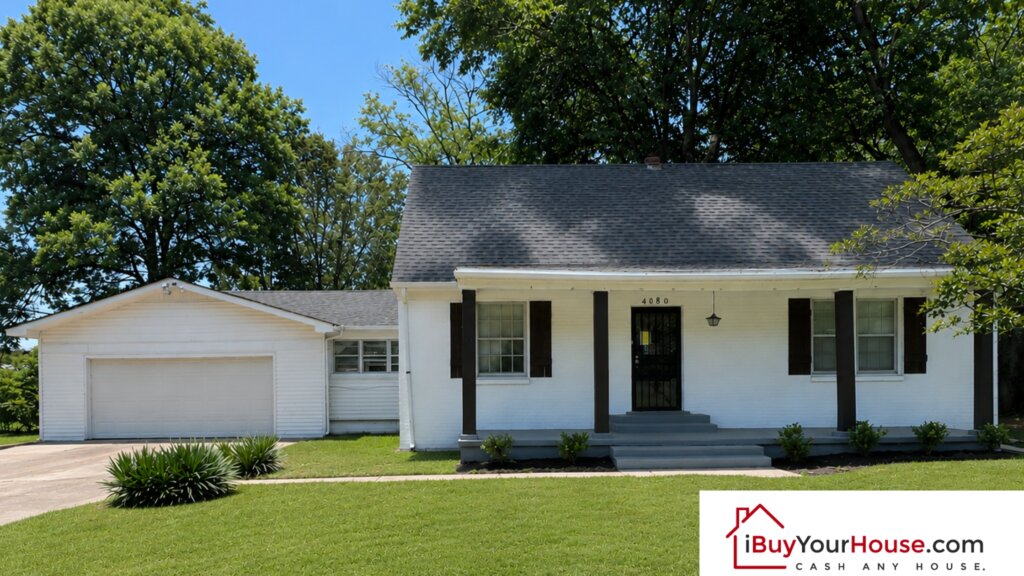
Mold can make selling a house feel complicated fast. One small moisture issue can turn into stained walls, musty odors, damaged drywall, buyer concerns, inspection problems, and expensive repair estimates.
If you are searching for Can You Sell a House With Mold Damage in Memphis?, you may already be wondering whether you need to pay for mold remediation before selling.
The answer is not always yes.
Many Memphis homeowners can sell a house with mold concerns as-is. This means the buyer reviews the property in its current condition and makes an offer based on the home’s damage, moisture issues, repairs, location, and local market factors.
Mold can happen for many reasons. A roof leak, plumbing issue, crawl space moisture, water intrusion, vacant property conditions, poor ventilation, flooding, or long-term deferred maintenance can all create mold concerns.
Some homeowners choose to repair the problem first. Others decide the cleanup, repairs, testing, and mold remediation costs are too much to handle before selling.
For those homeowners, selling as-is to a direct buyer may be a practical way to move forward without spending thousands before closing.
Direct Answer: Can I Sell My Memphis House If It Has Mold?
Yes, you can sell your Memphis house if it has mold. You do not always have to complete mold remediation, repair water damage, replace drywall, remove flooring, repaint, or clean the entire property before requesting an offer.
If you sell the house as-is, a direct buyer can review the property in its current condition and make an offer based on the mold concerns, repair needs, moisture source, location, title status, and market factors.
The exact selling process depends on the severity of the issue, whether the moisture source has been fixed, the home’s overall condition, ownership details, taxes, liens, mortgage payoff, and closing availability.
Known mold or moisture issues should not be hidden. If you are unsure about disclosure requirements, speak with a qualified real estate professional or attorney before selling.
Why Mold Makes a Home Harder to Sell Traditionally
Traditional buyers usually want a home that feels clean, safe, dry, and move-in ready. Mold concerns can make buyers nervous, even when the issue is limited to one area.
Buyers may worry about:
| Buyer Concern | Why It Matters |
|---|---|
| Hidden moisture | Mold may suggest a leak or water problem |
| Health concerns | Buyers may feel uncomfortable moving into the home |
| Repair costs | Mold remediation and repairs can be expensive |
| Inspection issues | Mold concerns can lead to more testing and negotiation |
| Odors | Musty smells can make showings difficult |
| Water damage | Mold may be connected to roof, plumbing, or drainage problems |
| Financing concerns | Some buyers or lenders may hesitate if the property condition is poor |
| Future problems | Buyers may worry the issue will come back |
Even if a buyer likes the house, mold can create hesitation. A buyer may ask for professional remediation, additional inspections, repair credits, price reductions, or proof that the moisture source has been fixed.
That can slow down the sale or cause the deal to fall apart.
Common Causes of Mold in Memphis Houses
Mold usually starts with moisture. If water gets into the house and is not handled quickly, mold concerns may appear.
Common causes include:
| Cause | What It Can Lead To |
| Roof leaks | Ceiling stains, attic moisture, damaged drywall |
| Plumbing leaks | Moisture inside walls, cabinets, flooring, or crawl spaces |
| Flood damage | Wet flooring, damaged drywall, moisture behind walls |
| Crawl space moisture | Musty odors, wood damage, floor issues |
| Poor ventilation | Bathroom, laundry, or kitchen moisture buildup |
| HVAC issues | Humidity problems or condensation |
| Water heater leaks | Flooring and wall damage |
| Vacant property conditions | Moisture may go unnoticed for months |
| Foundation or drainage problems | Water intrusion near floors, walls, or crawl spaces |
| Deferred maintenance | Small leaks may become larger problems over time |
Sometimes the visible mold is only part of the issue. The source of the moisture may still need to be found.
This is one reason many homeowners hesitate to start repairs. They may not know whether the problem is small, widespread, or connected to a bigger repair.
Should You Pay for Mold Remediation Before Selling?
Mold remediation may make sense in some situations. If the issue is small, the source of moisture is already fixed, and the repairs are affordable, handling the problem before listing may help attract more traditional buyers.
But mold remediation is not always realistic.
The process may involve:
- Finding the moisture source
- Fixing the leak or water problem
- Removing damaged materials
- Treating affected areas
- Replacing drywall or flooring
- Improving ventilation
- Repairing plumbing or roofing
- Addressing odors
- Cleaning or replacing affected belongings
- Repainting or restoring rooms
- Retesting, if needed
Before spending money, ask yourself:
| Question | Why It Matters |
| Can I afford remediation upfront? | The cost may be higher than expected |
| Has the moisture source been fixed? | Mold may return if the source remains |
| Will repairs increase the sale price enough? | Not every repair pays for itself |
| Do I have time to manage contractors? | Cleanup and repairs can take weeks |
| Could more damage be found? | Mold may hide behind walls or flooring |
| Will buyers still negotiate after repairs? | Inspection concerns may continue |
For some sellers, remediation is worth it. For others, selling as-is is the more practical option.
Sell House As-Is Memphis With Mold Concerns
Selling as-is means the buyer reviews the house in its current condition. You do not have to make the property perfect before requesting an offer.
This can be helpful if the home has:
- Visible mold concerns
- Musty odors
- Water damage
- Roof leaks
- Plumbing leaks
- Crawl space moisture
- Damaged drywall
- Damaged flooring
- Ceiling stains
- Flood damage
- Vacant property wear
- Tenant damage
- General deferred maintenance
- Full cleanout needs
The condition of the home still affects the offer. Mold concerns, moisture damage, repairs, and cleanup needs are usually reflected in the price.
But selling as-is can help you avoid paying for mold remediation before closing.
For many Memphis homeowners, that is the main benefit. You can explore a sale without spending more money on a property you no longer want to manage.
Mold Is Often Part of a Bigger Problem Property
A house with mold may also have other repair concerns. This is common when a property has been vacant, inherited, tenant-damaged, or behind on maintenance for years.
A problem property Memphis homeowners deal with may include:
- Mold concerns
- Roof damage
- Water intrusion
- Plumbing problems
- HVAC issues
- Foundation concerns
- Code violations
- Broken windows
- Damaged flooring
- Old belongings inside
- Trash or debris
- Unpaid taxes
- Tenant damage
- Failed prior listing
When several problems exist at once, a traditional sale can become harder. Buyers may look at the full repair list and decide the home is too much work.
A direct as-is sale allows the property to be reviewed as a whole instead of forcing the seller to repair one issue at a time.
Why Traditional Listings Can Be Risky With Mold
A traditional listing can work if the house is clean, repaired, and ready for buyers. But mold can create extra challenges.
A traditional sale may involve:
- Cleaning before listing
- Mold testing
- Mold remediation
- Repair estimates
- Contractor scheduling
- Professional photos
- Showings
- Buyer inspections
- Repair negotiations
- Appraisal review
- Buyer financing approval
- Closing delays
Even after accepting an offer, the sale is not guaranteed. A buyer may cancel after inspection. A lender may require repairs. The buyer may ask for credits or remediation documents. The closing timeline may move.
If you need to sell quickly, that uncertainty can be stressful.
Why Cash Home Buyers Memphis May Be a Faster Option
Cash home buyers Memphis sellers work with can often move faster than traditional buyers because they do not rely on standard buyer mortgage financing.
This can matter when the property has mold concerns or other damage that may make financing harder.
A direct cash buyer may be more comfortable reviewing:
| Property Condition | Why a Cash Buyer May Help |
| Mold concerns | The issue can be considered upfront |
| Water damage | Repairs can be factored into the offer |
| Roof leaks | The buyer can review the house as-is |
| Crawl space moisture | Condition can be evaluated with the property |
| Damaged flooring | You may not need to replace it first |
| Vacant property issues | A faster sale may reduce ongoing risk |
| Heavy repairs | The buyer can account for renovation needs |
| Failed listing | A direct offer gives another option |
A cash sale does not mean every closing is instant. Title work, taxes, liens, mortgage payoff, ownership details, and closing availability still matter.
But without traditional buyer financing, there are usually fewer moving parts.
We Buy Houses Memphis: How Direct Buyers Help
Companies that say we buy houses Memphis often purchase properties that need repairs, cleanup, or renovation. This can include houses with mold, water damage, fire damage, foundation issues, deferred maintenance, code violations, or tenant damage.
The process is usually more direct than listing on the open market.
| Step | What Happens |
| 1. Share property details | Provide the address, condition, mold concerns, and timeline |
| 2. Property review | The buyer reviews the home’s condition, repairs, and market factors |
| 3. Receive an offer | You get a cash offer based on the property as-is |
| 4. Review your options | You decide whether the offer makes sense |
| 5. Coordinate closing | Closing depends on title, taxes, liens, payoff, and scheduling |
You do not need to complete mold remediation before requesting an offer.
Traditional Listing vs. Direct As-Is Sale
Both options can work. The right choice depends on your timeline, repair budget, and goals.
| Question | Traditional Listing | Direct As-Is Sale |
| Do I need mold remediation first? | Often expected | Usually not before requesting an offer |
| Do I need to repair water damage? | Often yes | Usually no before review |
| Are showings required? | Usually yes | Usually limited |
| Can inspection issues delay closing? | Yes | Condition is reviewed upfront |
| Can buyer financing create delays? | Yes | No traditional buyer mortgage approval |
| Is it best for move-in-ready homes? | Usually yes | Not required |
| Can it work for homes with mold? | Sometimes difficult | Often more practical |
| Is it always the highest sale price? | May be higher after repairs | Offer reflects condition and speed |
A traditional listing may bring a higher sale price if the home is fully repaired, cleaned, and market-ready.
A direct as-is sale may be better if mold remediation is too expensive, the house needs other repairs, or you want to avoid long delays.
Do You Need an Inspection Before Selling?
Not always.
You can request an as-is offer without ordering your own mold inspection first. If you already have an inspection report, mold remediation estimate, repair quote, insurance document, or contractor assessment, that information may help the buyer understand the property.
But many homeowners do not have reports. They only know what they can see, smell, or suspect.
When discussing the property, be honest about what you know:
- Where mold appears
- Whether there was a leak
- Whether the home flooded
- Whether the roof has damage
- Whether plumbing issues exist
- Whether the home has been vacant
- Whether repairs were attempted
- Whether there are odors or moisture concerns
Clear information helps avoid confusion later.
Can You Sell a House With Mold and Water Damage?
Yes. A house with both mold and water damage may still be sold as-is.
In many cases, mold concerns are connected to moisture damage. The buyer will usually review both issues together.
This may include:
- Damaged drywall
- Damaged flooring
- Ceiling stains
- Roof leaks
- Plumbing leaks
- Crawl space moisture
- Flood damage
- Musty odors
- Structural concerns
- General deferred maintenance
The offer will usually reflect the full condition of the home. But selling as-is may help you avoid repairing one issue only to discover another later.
How iBuyYourHouse.com Helps
iBuyYourHouse.com helps Memphis homeowners sell houses as-is when repairs, cleaning, staging, or traditional listing delays are not realistic.
This may be a practical option if your house has:
- Mold concerns
- Water damage
- Roof leaks
- Plumbing issues
- Crawl space moisture
- Flood damage
- Damaged drywall
- Damaged flooring
- Musty odors
- Tenant damage
- Vacant property issues
- Code concerns
- Other major repairs
The process is simple:
| Step | What Happens |
| 1. Tell us about the house | Share the property address, condition, mold concerns, and timeline |
| 2. Review the property | iBuyYourHouse.com reviews the repairs, condition, and local market factors |
| 3. Receive an offer | You get a cash offer based on the house as-is |
| 4. Compare your options | There is no obligation to accept |
| 5. Close if it works | Closing is planned around title, payoff, taxes, and scheduling |
You do not need to complete mold remediation, repair every issue, deep clean, stage, or list the property before requesting an offer.
What Memphis Homeowners Should Do Next
If your Memphis house has mold, start by getting clear on what you know.
Write down where the mold appears, what rooms are affected, whether there was water damage, whether the home has odors, whether the source of moisture is known, and whether any repair estimates already exist.
Then compare your options:
- Complete mold remediation before selling
- Repair the moisture source
- Get contractor estimates
- List the house traditionally
- Sell the house as-is
- Keep the property and repair slowly
- Request a direct cash offer and compare your choices
You do not have to fix the house before learning your options. You can request an as-is offer and compare it with the cost, time, and stress of remediation and repairs.
Mold can feel like a deal-breaker, but it does not have to leave you stuck.
Frequently Asked Questions
Can I sell my Memphis house if it has mold?
Yes. You can sell your Memphis house if it has mold. A direct buyer can review the property in its current condition and make an offer based on mold concerns, repairs, location, and market factors.
Do I need mold remediation before selling?
Not always. If you sell as-is, you may not need to complete mold remediation before requesting an offer. The mold concern and any related damage will usually be considered in the offer.
Will buyers still make an offer on a house with mold?
Yes. Direct buyers may still make offers on houses with mold concerns, water damage, roof leaks, plumbing issues, crawl space moisture, or other repair needs.
Do I need to repair the water damage first?
Not necessarily. If you sell directly as-is, you may not need to repair water damage before requesting an offer. The buyer can review the property in its current condition.
Can I sell a house with mold and other repairs?
Yes. A house with mold and other repairs may still be sold as-is. This can include homes with roof damage, plumbing problems, foundation concerns, HVAC issues, tenant damage, or code violations.
Is selling as-is faster than fixing mold first?
It can be. Selling as-is may help you avoid remediation timelines, contractor delays, inspections, buyer financing issues, and long listing preparation. The exact timeline depends on title work, taxes, liens, payoff information, ownership details, and closing availability.
Is there any obligation to accept a cash offer?
No. Requesting an offer does not mean you have to accept it. You can review the numbers and decide whether the offer makes sense for your property, repair situation, and timeline.
Final CTA
Need to sell your Memphis house as-is without repairs, cleaning, or listing delays? Visit iBuyYourHouse.com to request a fair cash offer.